
Tell me if this experience sounds familiar.
You want to find a good restaurant.
You open Google Maps and filter for top rated.
52 options between 4.5 and 4.8 stars.
You think the 4.8-star one might be the best bet.
But it only has 11 reviews.
The 4.6-star one has 136 reviews.
You wonder which is better.
You construct an equation in your head to weigh the different variables.
You notice one has good photos, but the other one has good comments.
This exhausts you.
You just pick the 4.8.
You eat.
Food is only okay.
You’re disappointed.
You wonder: “Why is it so hard to find good suggestions?”
Answer: The popular rating systems (Amazon, Google, Yelp, etc.) are terrible at helping you make decisions. They prove Goodhart’s Law: “When a measure becomes a target, it ceases to be a good measure.”
In a perfect world, everyone would leave honest reviews and we could have a nice list of the best products and places. But we don’t, we live in a world run by incentives.
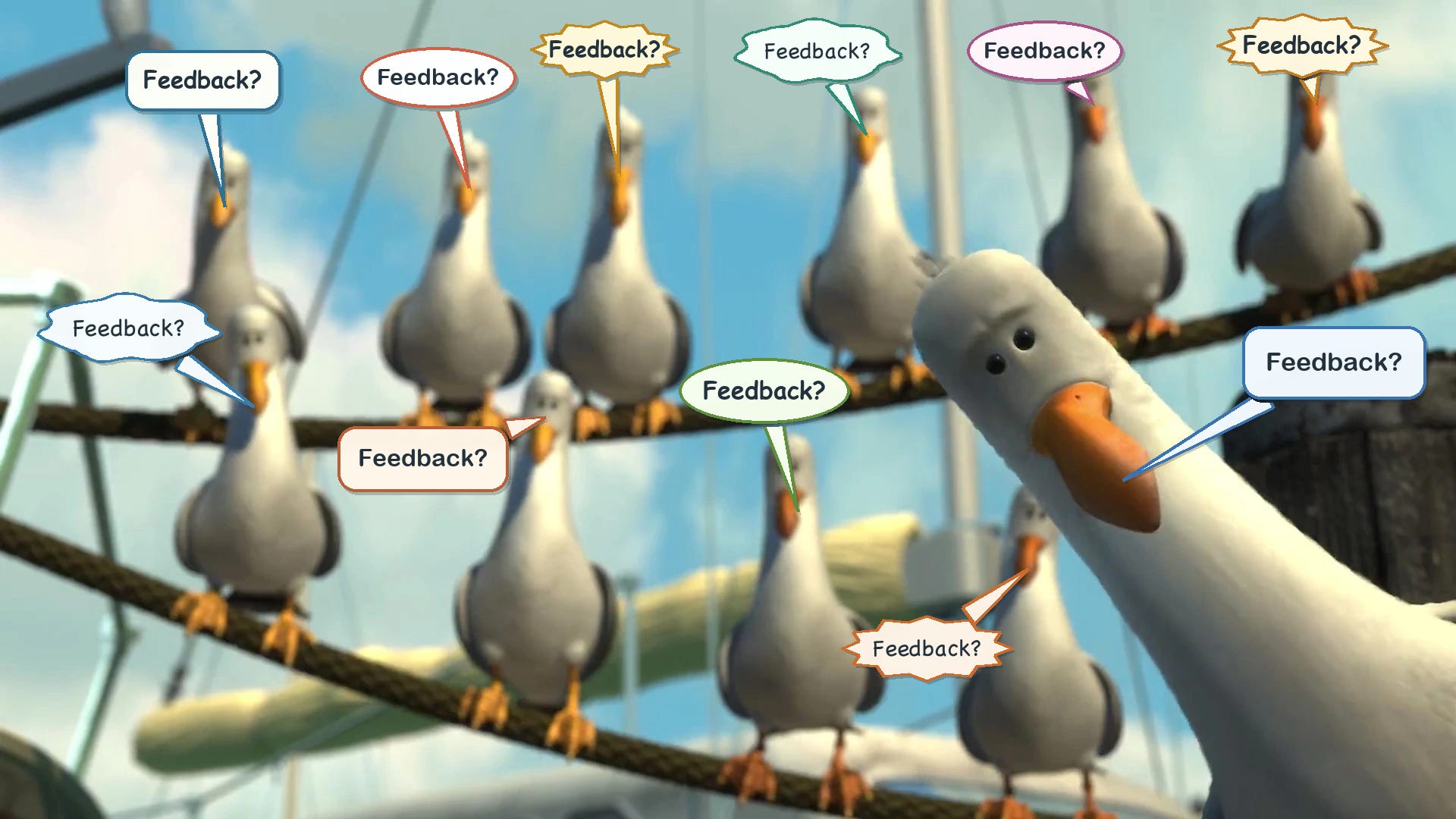
Once stars started deciding who got customers, there became a great incentive to improve your ratings. Unfortunately, improving ratings doesn’t mean improving offerings. It means bombarding your customer with feedback inquiries, sourcing fake good reviews, and removing bad ones.
This isn’t to say there aren’t helpful individual reviews. But in a world of increasingly convincing fakes, it’s hard to know what is real. Additionally, the good reviews are mixed with a bunch of garbage ones, tainting their signal. It’s classic “garbage in, garbage out.”
The Garbage in:
Clankers
“Clanker” is a derogatory term for an AI robot. There are good robots, but there are no good clankers.
Clankers fill places like reddit which traditionally had the most thoughtful reviews. This trend will only worsen with the rise of personal agents like X’s Grok Bot and Meta’s Muse. If nothing is done to combat it, we’ll be making our purchasing decisions based on reviews from whoever can build the least detectable bot network.
Co-opteds
Businesses constantly offer free stuff to people who leave (good) reviews. What is someone going to do after receiving free stuff? Be honest? This increases the number of positive reviews without actually increasing any of the value. Review inflation.
Clueless
The quality of a product or experience doesn’t have an objective answer, and thus a business optimizing to suit some people means sacrificing suiting others.
Being the best cocktail bar means sacrificing being the best family restaurant. Yet some clueless reviewers, convinced of their self-importance, will still rate it on the latter.
The Garbage out:
So Google takes all the junk reviews above and bundles them together like a 2008 mortgage-backed security. 4.6 stars is the new AAA rating and we need a better solution.
Workarounds
People intuitively know these reviews suck, and for big-ticket items like phones will watch review videos. These can be pretty good, albeit sometimes co-opted as well. Still, it’s too time intensive for smaller items and doesn’t cover things to do outside of big cities.
There are social apps like Beli, Goodreads, and Letterboxd that allow you to see how your friends rate restaurants, books, and movies. These apps solve the issue of untrustworthy reviews, but the reviews and friend lists are not in the apps where we make the decisions and it’s too high friction to get everyone on a bunch of different apps.
What’s the solution?
We can’t trust ‘the people’ we see on the internet, so we need to bring the trust network we have offline, online. We need a queryable list of people we trust, and we need platforms to use those lists to provide insights.
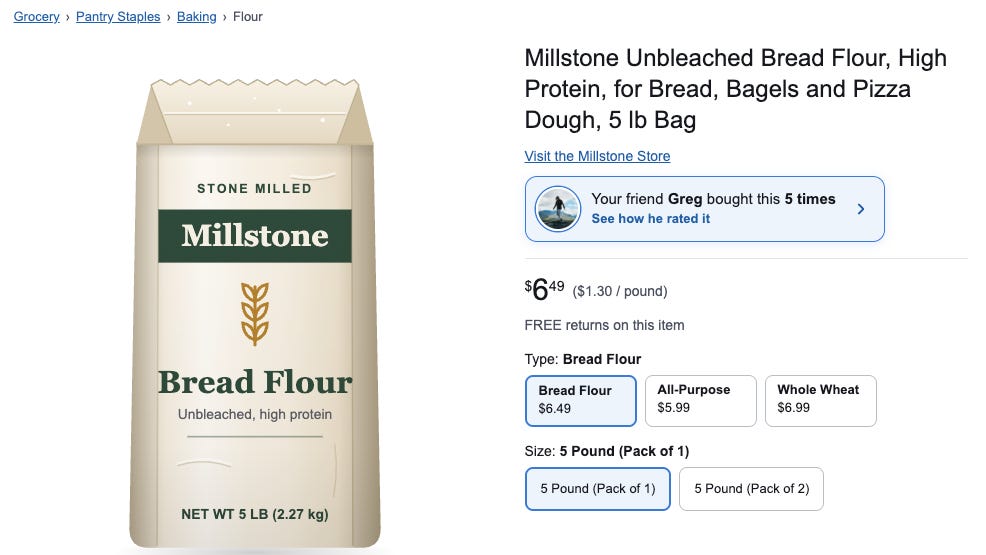
For example, if I were to start making bread, I would want to know what ingredients my friend Greg uses. Greg bakes great bread. We have a good enough friendship to share most of what we purchase. What if I could see the things he has purchased on Amazon? This would be huge for my baking career.
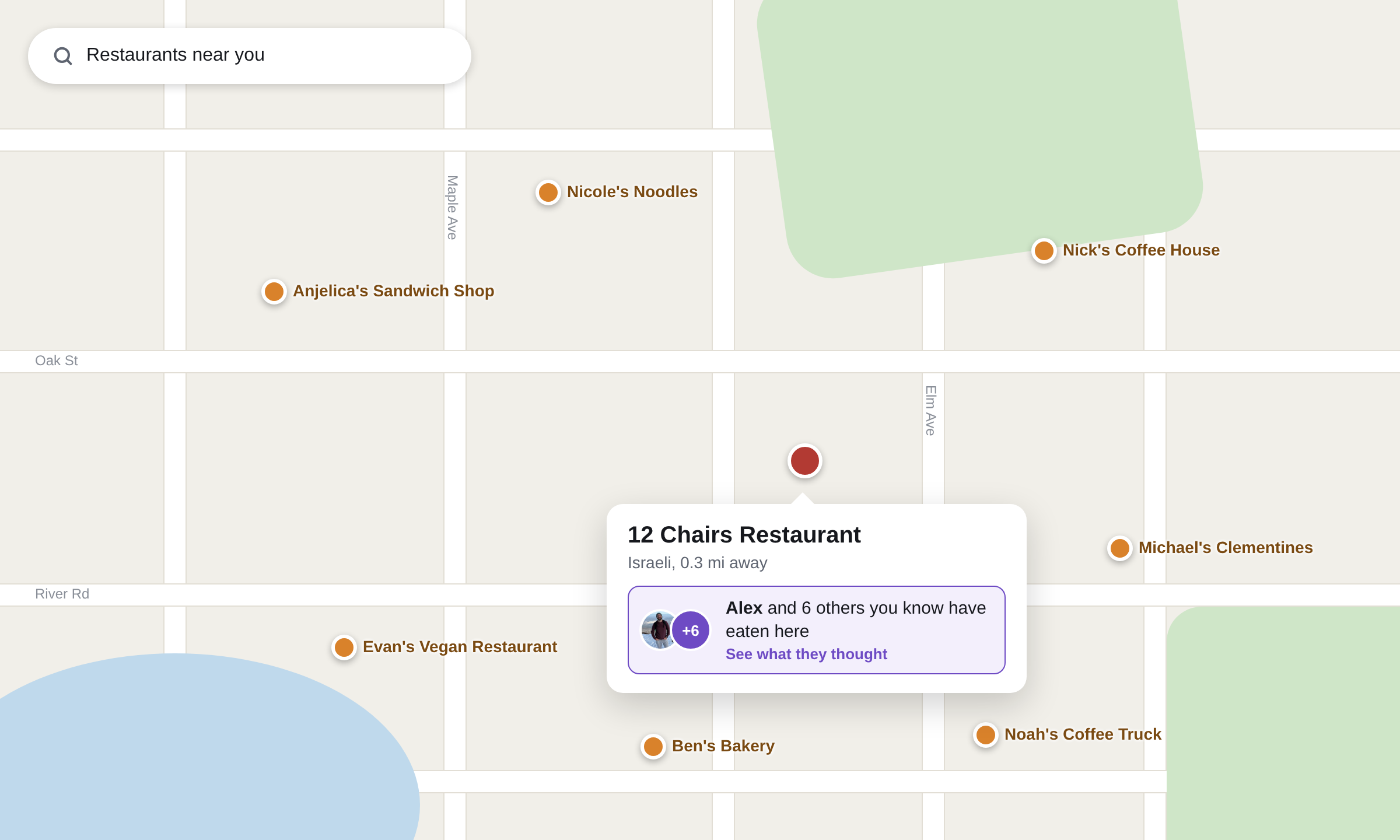
Or what if we could see where our friends had dined on Google Maps and get their opinion instead of the meaningless 4.6 stars that exists today?
This solution is similar to PageRank, the method Google created in the 90s to beat keyword spam. Early search engines ranked pages by how often a word was mentioned on a page, so spammers were able to rank well by constantly repeating words like ‘cheap flights’.
PageRank instead ranked a page by who linked to it. A link from a high-trust site made the linked site rank higher in search. We can do the same thing but with people. Ratings from friends you trust make a product or place rank higher. For increased reach, you can even tap into the people they trust, where each step out counts a little less but is still signal. The result is a “Web of Trust” built around you.
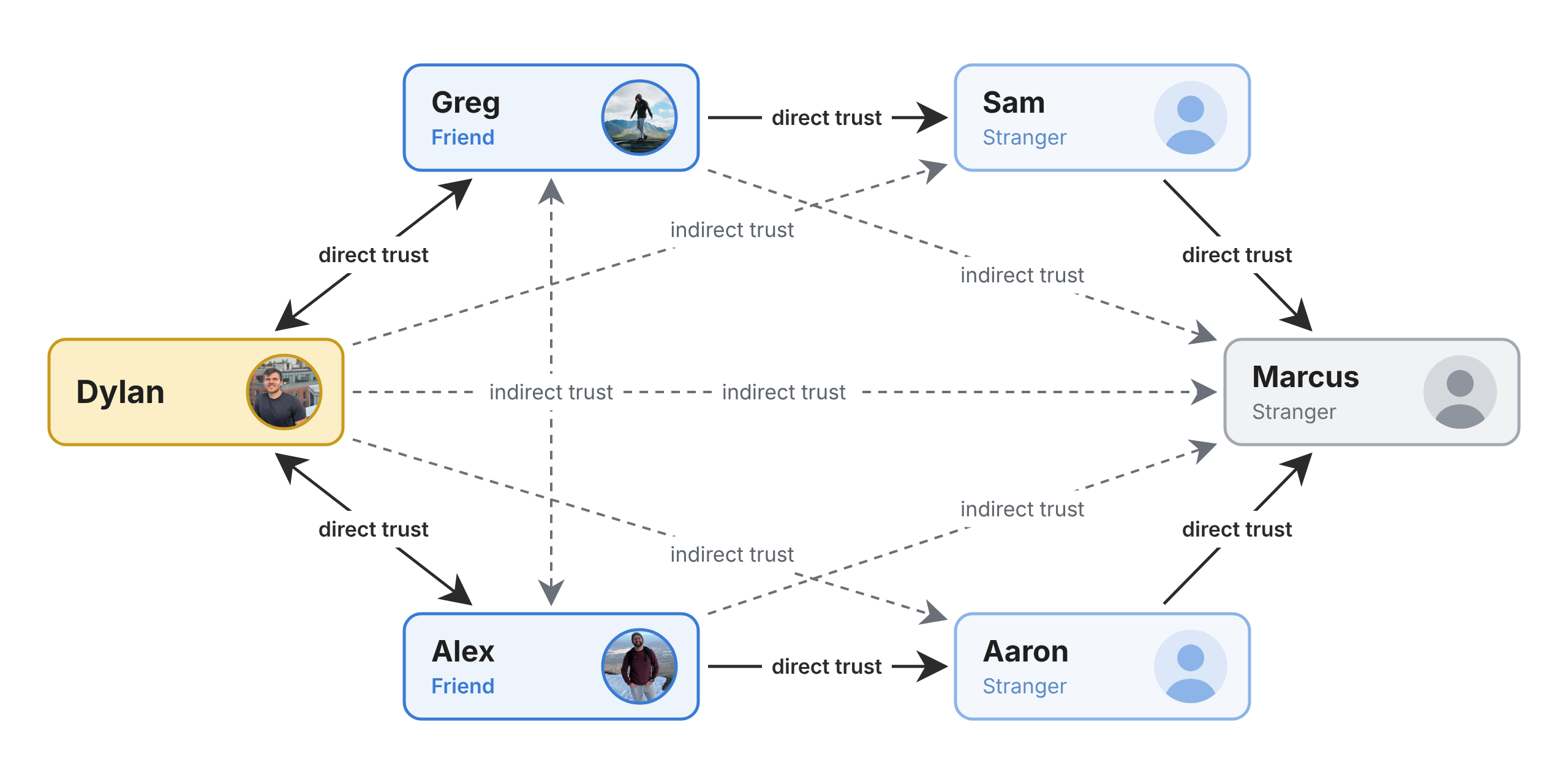
Building this “Web of Trust” is increasingly important because the internet is about to be flooded with bots. Cloudflare’s CEO predicts bots will soon outnumber humans online a thousand to one. We won’t be able to assume any photo, video, post, or review was written by a human unless we know them. By assigning recommendations to people whose taste we know rather than a faceless hodgepodge of randos, we could save trust on the internet.
https://hotelist.com this site/guy is doing a good job trying to solve this for hotels via this site. Worth checking out. Based on places on it that I've stayed I'd say it is much more accurate than any other public reviews I've seen. Now we jsut need a version of that for everything else (restaurants/air bnb's/businesses/etc).
We want all reviews based on a selection of our social network and influencers that we respect.